

The birth of a baby is a time of great anticipation, but unexpected complications can sometimes occur. Brachial plexus injury in infants is a complex medical condition that requires expert, precise care. The brachial plexus is an extensive network of nerves in the neck and shoulder that carries signals from the spinal cord to the upper arm, forearm, and hand. When a brachial plexus injury occurs during birth, it can cause significant weakness or loss of movement in the newborn’s arm. This condition, commonly known as Erb’s palsy, can be very concerning. However, early diagnosis and treatment tailored by a peripheral nerve surgeon can lead to significant recovery. Families may experience feelings of guilt, confusion, and anxiety, but it is important to remember that modern medicine offers advanced solutions and genuine hope for substantial improvement in function.
What is brachial plexus injury in infants, and how does it occur?
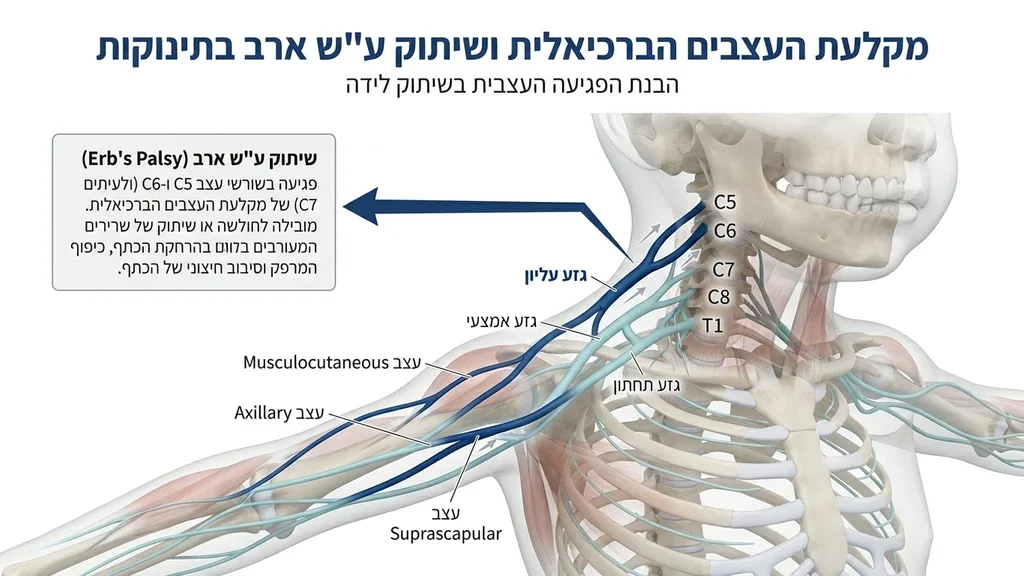
During childbirth, particularly a difficult or prolonged delivery, unusual tension may be placed on the baby’s neck and shoulder. A brachial plexus injury occurs when these delicate nerves are stretched beyond their elastic capacity, torn, or even pulled away from the spinal cord. The brachial plexus consists of five major nerve roots that emerge from the cervical spinal cord. These nerves branch and reconnect in a complex structure, much like an electrical network, providing sensation and motor function throughout the upper limb. The severity of the injury varies from case to case and determines the treatment needed. This condition requires a thorough neurological and surgical evaluation because the window for effective treatment is limited.
Common types of injury: Erb’s palsy and other conditions
Brachial plexus birth injuries are classified by severity, which directly affects the chances of recovery. The best-known condition is Erb’s palsy, which involves the upper nerves of the plexus. Infants with this condition typically have an inwardly rotated shoulder, a straightened elbow, and a bent wrist.
- Stretch injury (neuropraxia): The mildest and most common injury. The nerve is stretched but not torn. In most cases of Erb’s palsy at this level of severity, spontaneous recovery is expected within a few months.
- Partial or complete tear (rupture): The nerve is torn, but not where it connects to the spinal cord. This usually requires surgery.
- Nerve scar (neuroma): The nerve has attempted to heal itself, but scar tissue has formed and interferes with the transmission of electrical signals.
- Avulsion: The most severe injury, in which the nerve is completely torn away from the spinal cord. This requires complex surgical reconstruction by a specialist neurosurgeon.
Major risk factors: Why do brachial plexus birth injuries occur?
Understanding the risk factors helps medical teams prepare, although brachial plexus injuries in infants cannot always be prevented entirely.
High birth weight (macrosomia)
Very large babies are at increased risk of difficulty passing through the birth canal, which increases the likelihood of stretching the neck and shoulder during delivery.
Shoulder dystocia
An obstetric emergency in which the baby’s head has emerged, but the shoulder becomes trapped behind the mother’s pubic bone. Releasing the shoulder sometimes requires physical force that may lead to Erb’s palsy.
Breech presentation and assisted deliveries
Breech deliveries or the use of instruments such as forceps and vacuum extractors increase the likelihood of pressure on the brachial plexus, particularly when the head must be pulled or tilted.
The diagnostic process: The importance of a precise expert evaluation
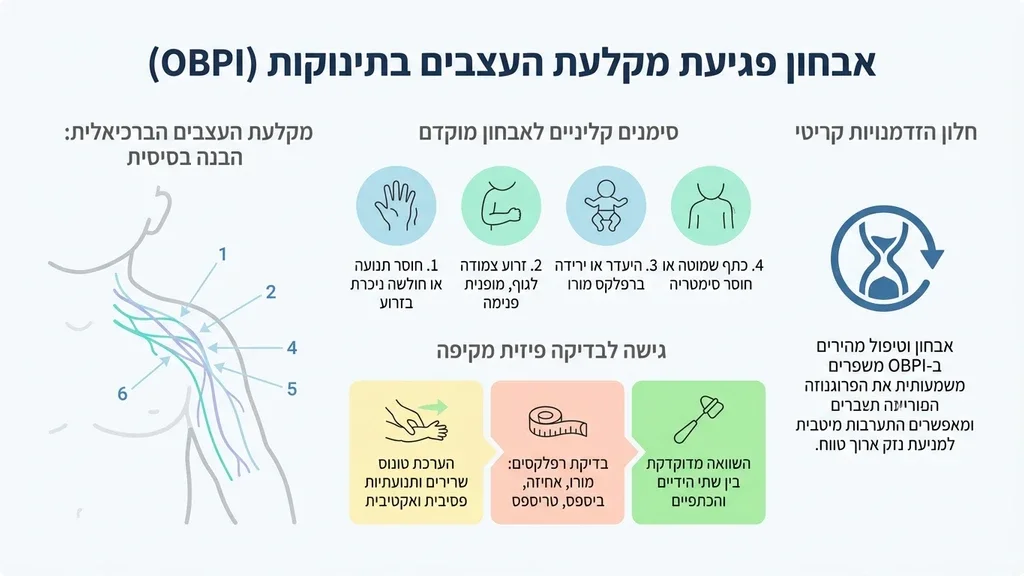
An accurate diagnosis of brachial plexus injury in infants is essential for developing a treatment plan. In the first weeks of life, a specialist will perform a comprehensive clinical examination to assess the baby’s range of motion, reflexes, and muscle strength. If sufficient progress is not observed by three to six months of age, advanced intervention may be needed. Imaging and nerve conduction studies may also be used to pinpoint the injury. Unlike general orthopedic surgeons or neurosurgeons, a physician with specific training in peripheral nerve surgery has the specialized clinical knowledge to interpret these findings, particularly in complex cases of Erb’s palsy.
Treatment options: From conservative monitoring to advanced surgery
Treatment for brachial plexus birth injuries includes conservative and surgical approaches. The choice depends on the severity of the injury and the rate of spontaneous recovery observed during the baby’s first months of life.
| Treatment | When is it performed? | Treatment goal | Estimated recovery time |
|---|---|---|---|
| Physical and occupational therapy | Immediately after initial diagnosis | Preserve range of motion and prevent joint stiffness | An ongoing process lasting months to years |
| Nerve release surgery (neurolysis) | When scar tissue obstructs the nerve | Remove scar tissue to allow signals to pass | Several months until nerve regeneration |
| Nerve reconstruction (nerve graft) | In cases of rupture | Graft a donor nerve to bridge the gap caused by the tear | Gradual, long-term recovery |
| Nerve transfer | In cases of avulsion | Connect a nearby functioning nerve to the injured nerve | Long-term rehabilitation with intensive physical therapy |

Why is a peripheral nerve subspecialist needed?
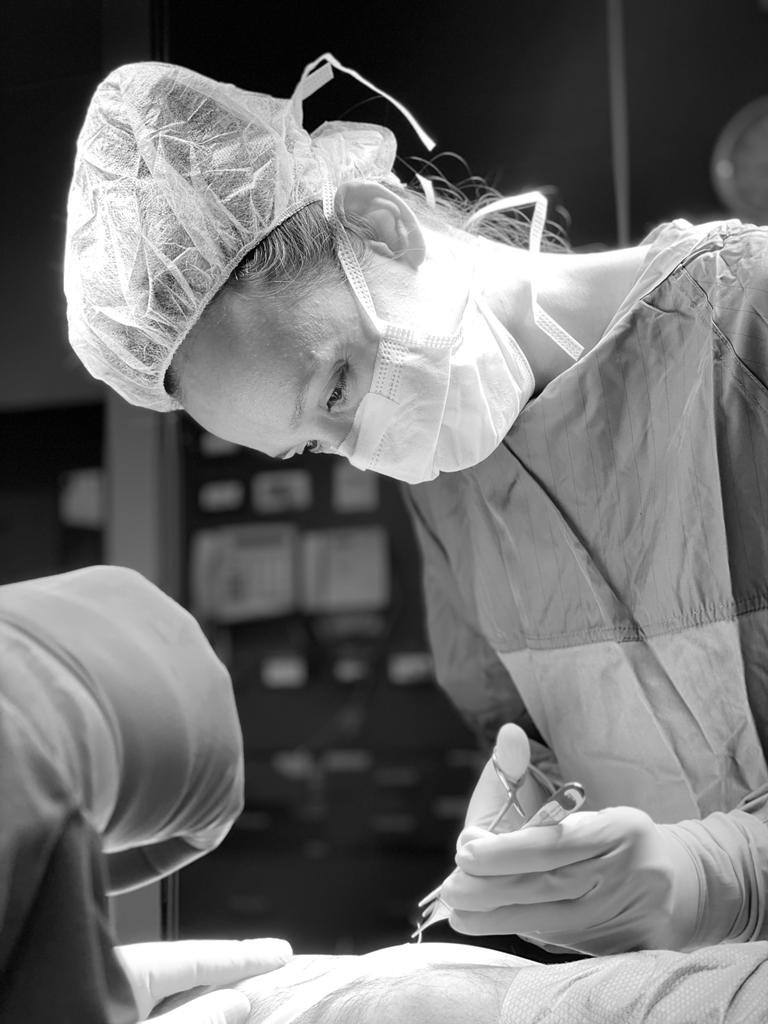
In Israel, peripheral nerve treatment is often a secondary part of a physician’s practice. However, surgery for Erb’s palsy requires exceptional microsurgical skill. Peripheral nerve surgery is a rare and distinct subspecialty. A specialist with focused international training in this field brings a deep understanding of the complex anatomy and expertise in advanced reconstructive techniques, including the use of an operating microscope and suturing nerve fibers thinner than a human hair. This precision can mean the difference between permanent loss of function and the return of meaningful movement in the affected arm.
Recovery, rehabilitation, and the road ahead
Recovery from a brachial plexus injury in an infant requires considerable patience. Nerves recover slowly, at a rate of approximately one millimeter per day. Therefore, even after successful surgery for Erb’s palsy, daily rehabilitation is necessary. Care at home is just as important as medical intervention, and parents are instructed to perform passive range-of-motion exercises regularly.
Early intervention and close follow-up by a dedicated specialist are key to maximizing the baby’s potential for recovery.
The path to full recovery requires close cooperation between the medical team and the family. Understanding the condition, consistently following conservative treatment, and receiving precise guidance from a specialist surgeon give the baby the best chance of independent function, participation in sports and play, and a high quality of life in the future.
FAQ
Can a brachial plexus injury in an infant heal on its own?
In mild cases of nerve stretching, spontaneous recovery may occur within a few weeks to months. However, every case requires close follow-up by a specialist to ensure that surgery is not needed.
When is surgery recommended for Erb’s palsy?
The decision to operate is usually made around three to six months of age if the baby does not show sufficient motor recovery, particularly the ability to bend the elbow.
What is the difference between a general neurosurgeon and a peripheral nerve specialist?
A peripheral nerve specialist has dedicated training, including microsurgical training, to treat this delicate nerve network. This rare subspecialty ensures the highest level of precision in treating complex injuries.
Will the baby experience pain during recovery?
A brachial plexus birth injury usually does not cause ongoing pain, although the baby may experience some discomfort. Physical therapy is performed very gently to prevent pain and encourage smooth movement.